I’m taking my mileage a little bit slower until the shin splints are completely gone. But they’re a little better every day, so I’m encouraged by that.
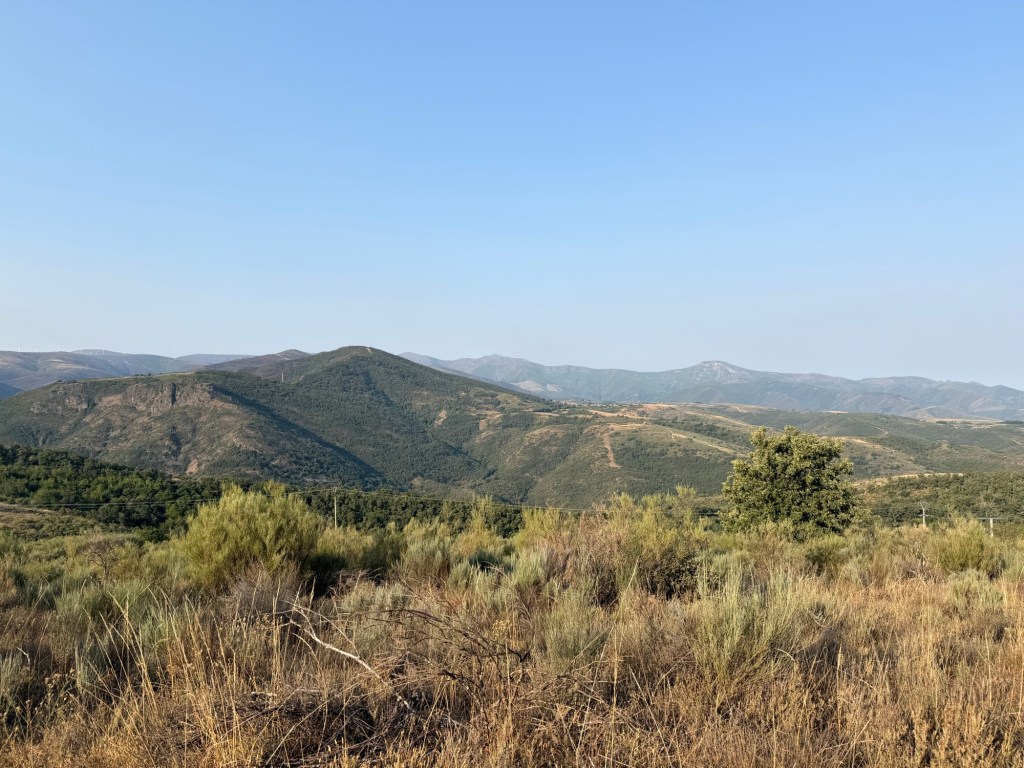
Astorga marks the unofficial end of the Meseta, which means more hills, more green, and less monotony. Many people, including me, welcome this stretch.
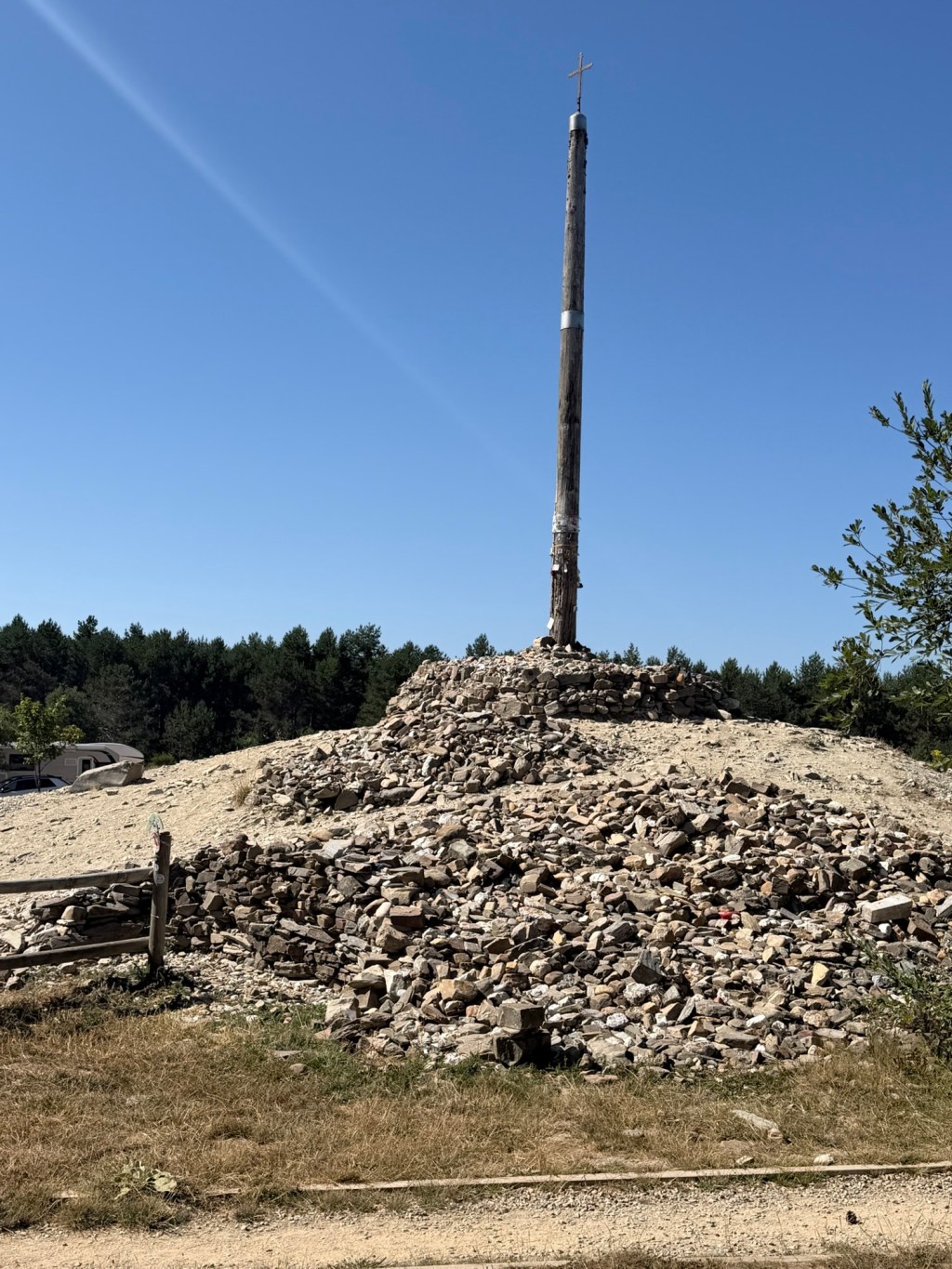
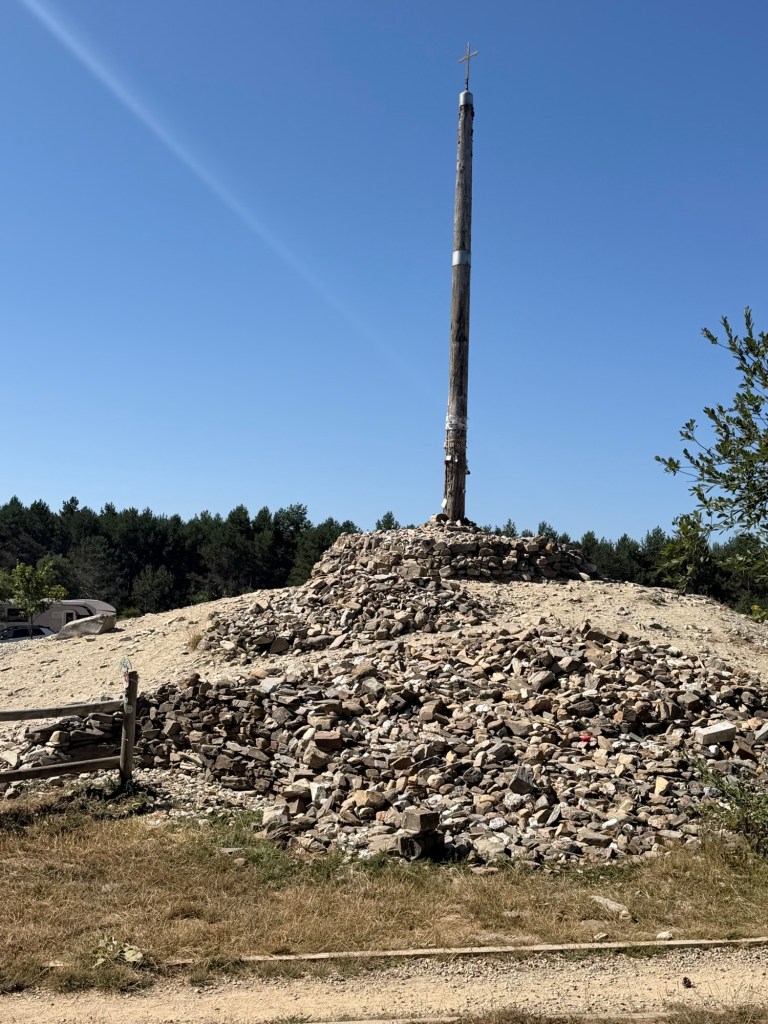
The trail steadily climbs shortly after Astorga, all the way to the Cruz de Ferro, which occurs a couple of kilometers after the town of Focebadon. Cruz de Ferro (“the iron cross”) is a famous Camino landmark. it is a plain metal cross that stands at top a tall pole. It’s surrounded by a pile of rocks, left there by pilgrims. It is customary for pilgrims to bring a rock from home, or one found along the path, that symbolizes what we want to let go of. Literally leaving it at the foot of the cross. Even pilgrims without a particular religious tradition participate in this.
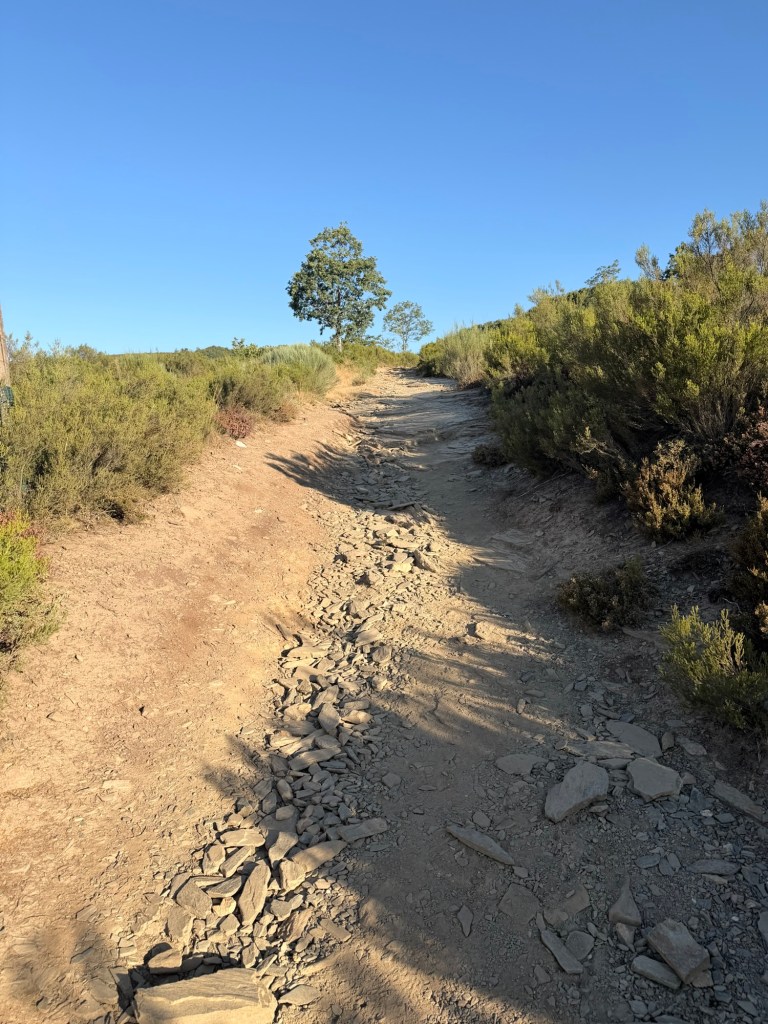
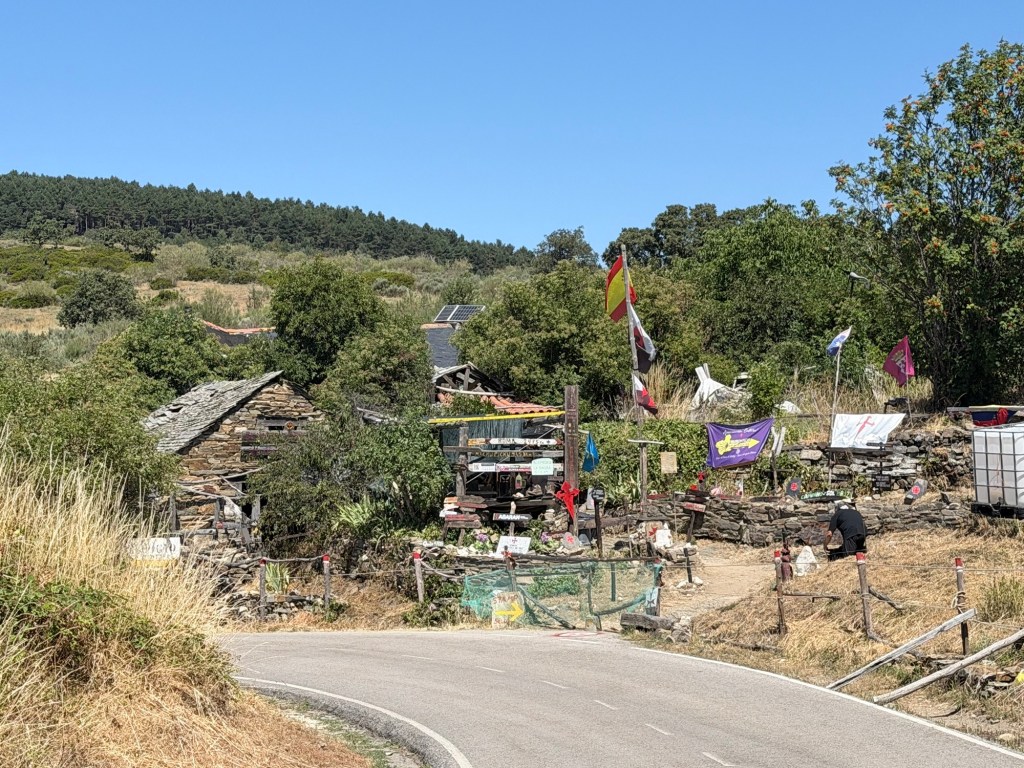
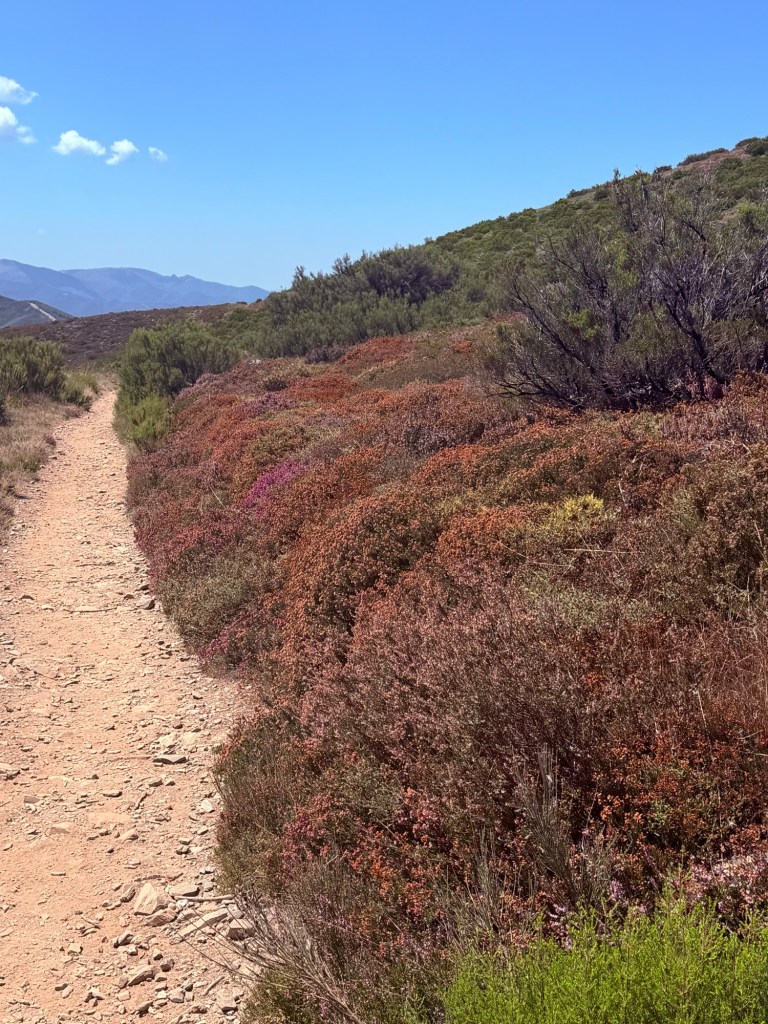
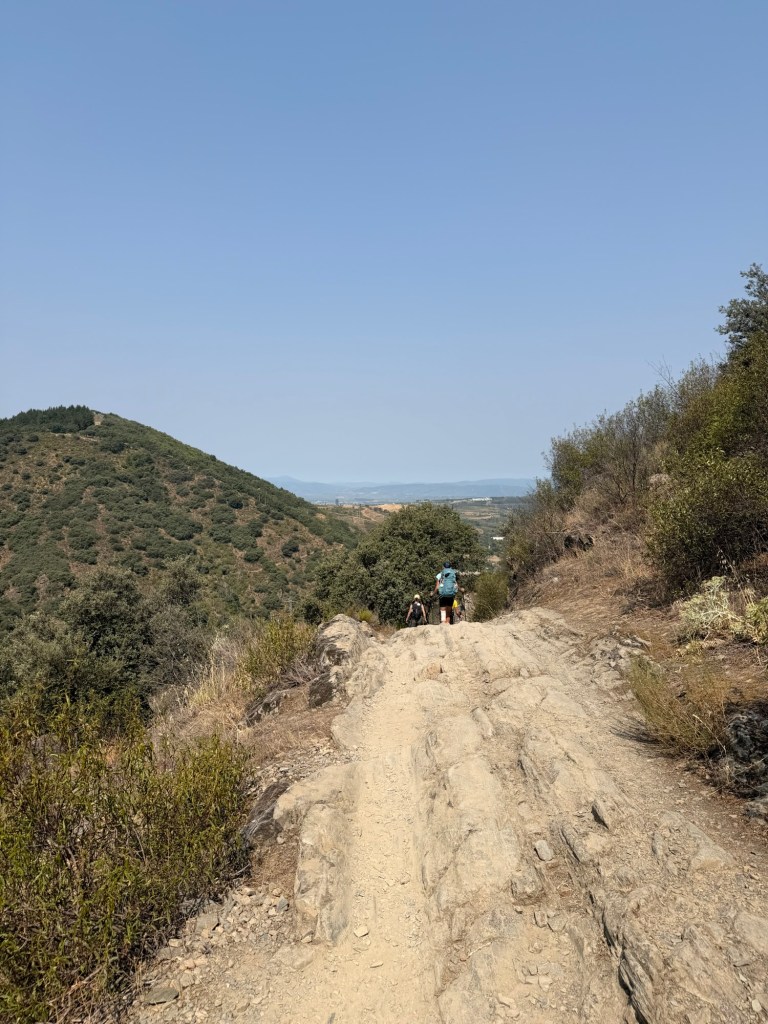
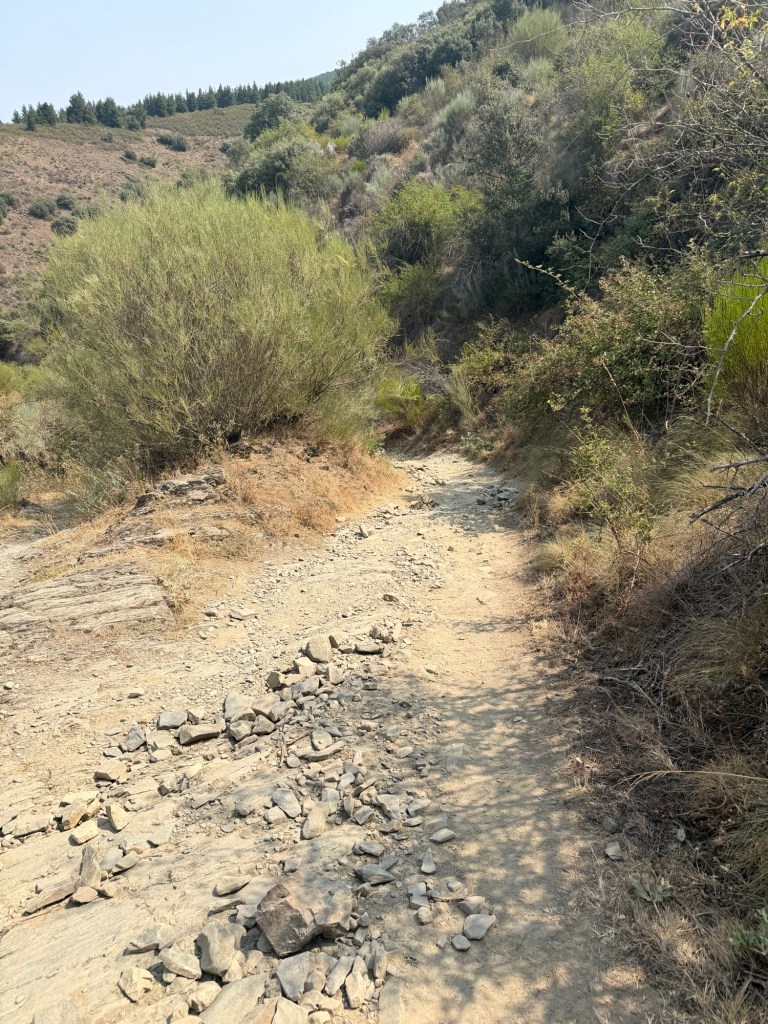
Shortly after Cruz de Ferro, the Camino reaches its highest point of 1515 meters. But, it’s not the steepest climb of the Camino because the starting altitude going into this stretch was higher to begin with. Then, the real fun starts, with the descent that runs all the way from there down to the town of Ponferrada, 25 kms away. This means that I’ve spent the last two days of walking navigating a steep downhill path that was extremely rocky. It’s probably the most technical hiking section of the Camino, and I’m glad I have my poles with me.
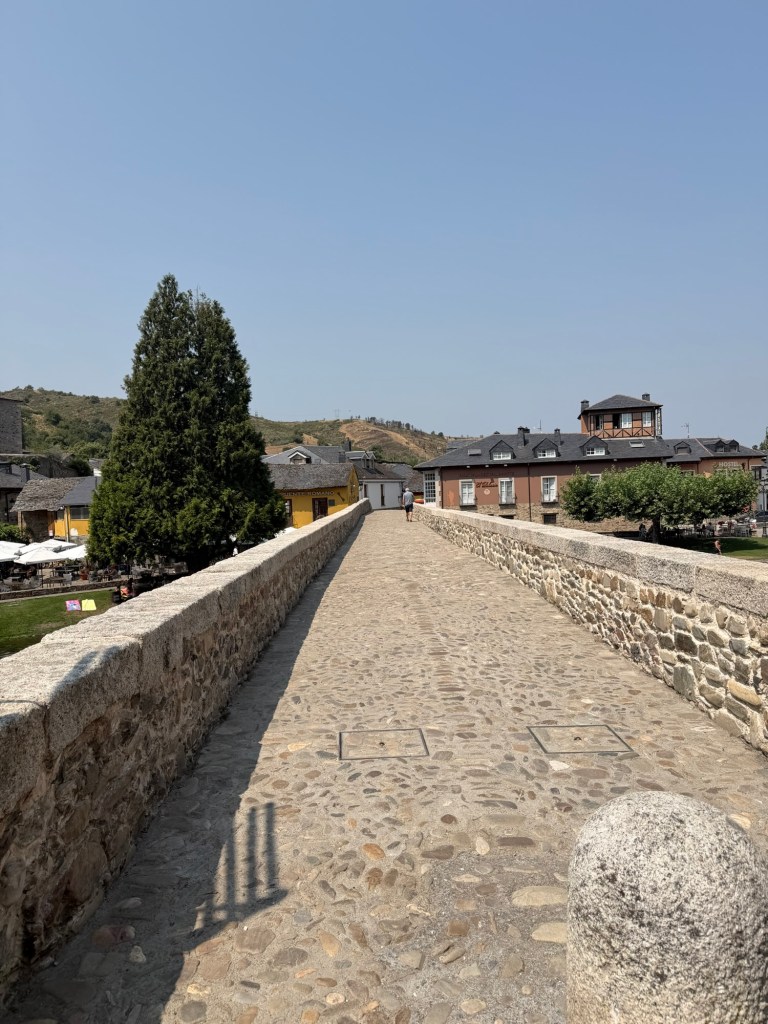
I’m happy to be in a delightful little town of Molinaseca tonight. It’s another favorite Camino place for me, and I’ll take a planned rest day here tomorrow.


Leave a comment